SEO for digital product startups now requires a multi-engine approach that balances traditional search with AI-driven discovery.
SEO, GEO, and AEO
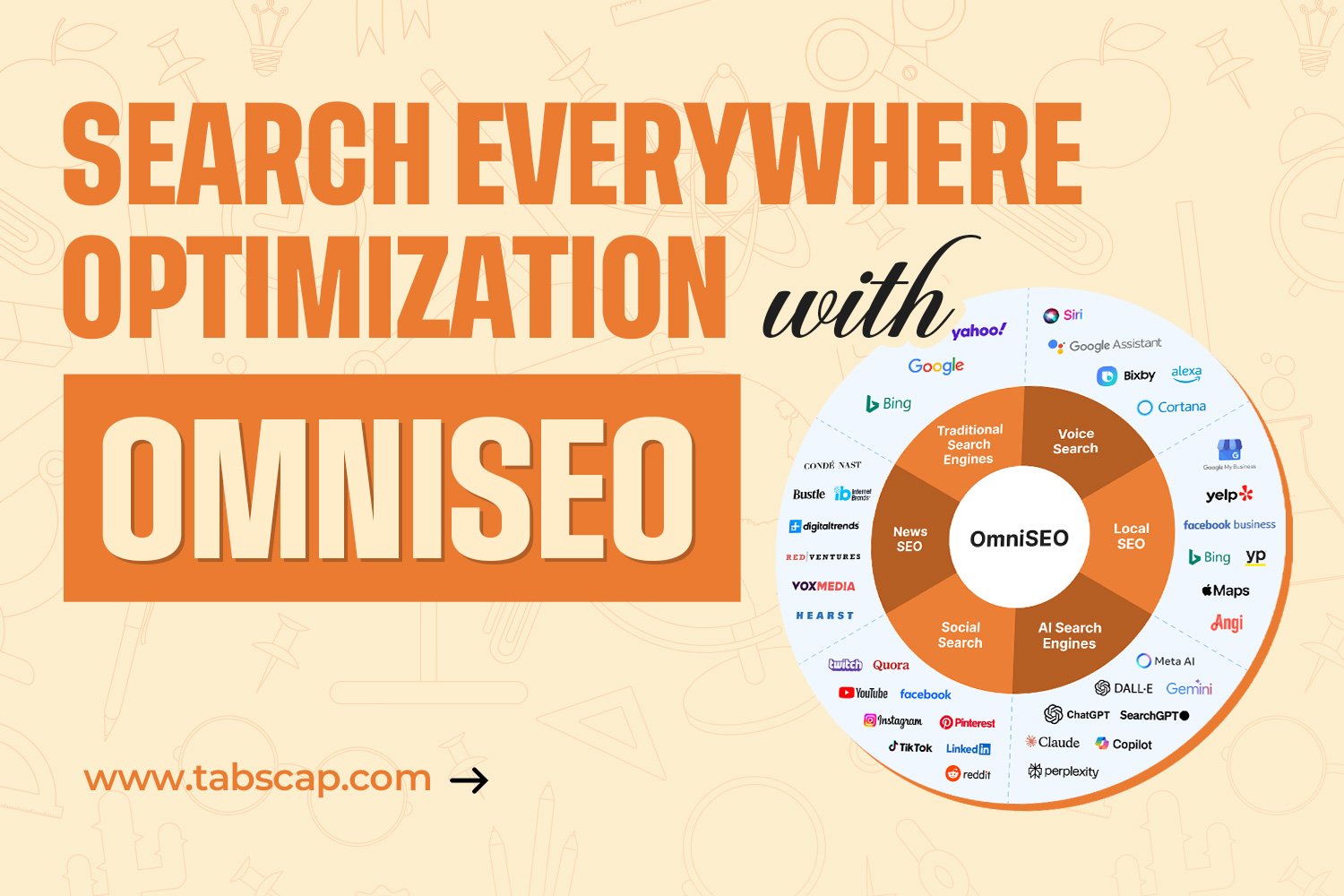
Online visibility depends on appearing in three different types of search results:
Traditional SEO (Google/Bing): Focuses on ranking your website in the classic blue link results.
GEO (Generative Engine Optimization): Optimizing for AI Overviews (Google) and LLM-based tools (ChatGPT, Perplexity, Claude) so they cite your product.
AEO (Answer Engine Optimization): Specifically targeting voice assistants and zero-click snippets by providing direct, structured answers.
Advanced Topical & Entity Strategy
Search engines map entities (concepts, brands, people).
Entity Clarity: Ensure your brand is recognized as an authority in its niche. Register your startup on Crunchbase, Product Hunt, and G2. These act as sources of truth hubs for AI crawlers.
Topical Authority Clusters: Instead of random blogs, build Pillar & Cluster models.
Pillar: "The Ultimate Guide to [Your Niche] for 2026."
Clusters: 15–20 sub-topic articles (e.g., "How to [X]," "Best tools for [Y]") that all link back to the pillar.
Semantic SEO: Use natural language that answers implied questions. If a user asks "how to automate X," your content should also naturally address "cost of X" and "alternatives to X."
GEO-Specific Tactics (Optimizing for AI)
To get cited by AI engines like ChatGPT or Google’s AI Overviews:
The Answer-First Format: Place a concise 2-3 sentence summary or a direct answer at the very beginning of your articles. AI models prefer extractable data.
Data-Backed Insights: Original research, surveys, and unique statistics have a 30-40% higher chance of being cited by AI assistants.
Neutral Tone: AI aggregators are more likely to pull from informative, objective content than high-pressure sales copy.
Schema Markup: Use Product, SoftwareApplication, FAQ, and Organization schema to make your site machine-readable.
Full-Funnel Content Ecosystem
Digital products often have a complex consideration phase. Your content must match the buyer's journey:
| Funnel Stage | Content Type | Objective |
|---|---|---|
| TOFU (Awareness) | Educational blogs, Glossaries, "What is X?" | Capture broad intent and brand discovery. |
| MOFU (Consideration) | Comparison pages (e.g., "YourBrand vs. Competitor"), Case studies | Influence the decision-making process. |
| BOFU (Decision) | Pricing pages, Demo sign-ups, Feature walkthroughs | Convert high-intent traffic into trials/users. |
Technical Foundations
Crawl Efficiency: For startups with frequently updated SaaS features, ensure your XML sitemap is dynamic and your site architecture is flat (most pages accessible within 3 clicks).
Server-Side Rendering (SSR): If your product site uses heavy JavaScript (React/Next.js), use SSR. AI crawlers still occasionally struggle with client-side JavaScript execution.
Mobile-First UX: Since Google uses mobile-first indexing, site speed and layout stability (Core Web Vitals) are non-negotiable for rankings.
Off-Page GEO
AI models learn from the entire web.
UGC Presence: Be active on Reddit and Quora. AI tools frequently scrape these platforms for human opinions.
Podcast & Video Transcripts: AI engines (especially Gemini) heavily index YouTube and podcast transcripts. Video "How-to" guides are a massive SEO win for SaaS products.
Unlinked Mentions: Even a mention of your brand name on a high-authority site (without a link) contributes to your entity strength.
SEO vs PPC
PPC (Pay-Per-Click)
Best for: Immediate feedback, testing Product-Market Fit (PMF), and high-intent conversion.
Mechanism: You pay for visibility on Google, LinkedIn, or Meta.
The Startup Advantage: If you have a new digital product, you can’t wait 6 months for SEO to tell you your landing page doesn't convert. PPC gives you data in 48 hours.
The Risk: It stops the second you stop paying. It is an expense, not an asset.
SEO (Search Engine Optimization)
Best for: Long-term sustainability, brand authority, and lowering Customer Acquisition Cost (CAC).
Mechanism: You earn visibility through content, technical structure, and entity-building.
The Startup Advantage: It builds moats. Once you rank for high-value terms in your niche, you get free leads while your competitors are still burning money on ads.
The Risk: High upfront effort with delayed gratification.
SEO Checklist for a SaaS Product Launch
Your checklist needs to satisfy both human users and the AI models (LLMs) that now mediate search.
1. Technical Foundation
Before you publish content, ensure search engines and AI crawlers can digest your site without friction.
[ ] Schema Markup (JSON-LD): Implement SoftwareApplication and Product schema. Include properties like operatingSystem, applicationCategory, and aggregateRating.
[ ] Core Web Vitals (CWV): Ensure a Largest Contentful Paint (LCP) of under 2.5 seconds. Speed is a confirmed ranking factor for both Google and AI aggregators.
[ ] Semantic HTML: Use proper header tags (H1 for titles, H2 for sections) to help AI models parse the hierarchy of your features.
[ ] Sitemap & Robots.txt: Ensure your /blog and /features are crawlable, but exclude sensitive dashboard/app pages using robots.txt.
2. Strategic High-Intent Pages
Startups often make the mistake of only writing "top-of-funnel" blogs. For a launch, focus on pages that convert.
[ ] "Alternative To" Pages: Create pages targeting [Competitor] alternative. These are high-intent and capture users looking to switch.
[ ] Comparison Pages: [Your Product] vs [Competitor]. Use a neutral, data-heavy table to help AI engines cite you in comparison queries.
[ ] Integration Pages: If your SaaS connects with Slack, Zapier, or HubSpot, create dedicated pages for each. This captures "ecosystem" search traffic.
[ ] Use-Case Landing Pages: Create specific pages for different personas (e.g., "For Project Managers," "For SEO Strategists").
3. GEO & AEO Optimization (AI Discovery)
[ ] The "TL;DR" Summary: At the top of every major page, include a 2-sentence summary. AI Overviews and ChatGPT look for these "snackable" facts.
[ ] FAQ Section: Add an FAQ at the bottom of feature pages using FAQPage schema. This helps you win "People Also Ask" boxes and voice search answers.
[ ] Entity Association: Ensure your brand is mentioned on Product Hunt, G2, and Capterra. AI models use these third-party sites to "verify" what your software does.
4. Content & Authority (The Moat)
[ ] The Pillar Post: Write one definitive 2,000+ word guide on the core problem your SaaS solves.
[ ] Internal Linking: Use descriptive anchor text. Instead of "click here," use "see our [automated reporting feature]."
[ ] Social Proof Integration: Don't just list features; embed real testimonials. Google’s E-E-A-T (Experience, Expertise, Authoritativeness, Trustworthiness) prioritizes verified human experience.
5. Post-Launch Visibility (Off-Page)
[ ] Digital PR: Reach out to niche tech publications for a launch review. One high-quality backlink from a tech news site is worth 100 low-quality directories.
[ ] YouTube Integration: Create short "How-to" videos for your features. YouTube is the second-largest search engine, and video transcripts are heavily indexed by AI.
Free sites to list your startup and get found on
Google:
- Product Hunt
- BetaList
- Crunchbase
- AngelList
- G2
- Capterra
- GetApp
- AlternativeTo
- Slant
- SaaSHub
- StackShare
- Indie Hackers
- Hacker News (Show HN)
- Reddit (r/SideProject)
- BetaPage
- StartupLister
- Launching Next
- Startup Buffer
- Startup Stash
- Killer Startups
- F6S
Best Tools for Programmatic SEO for Digital Product Startups
For a digital product startup, the goal is to build a system where one dataset can generate thousands of landing pages that are both human-readable and AI-citeable.
Airtable: The gold standard for pSEO. It’s a relational database that lets you link "entities" (e.g., linking a Feature to multiple Use Case pages).
Google Sheets + Data Fetcher: A more budget-friendly alternative. Use Data Fetcher to pull in external API data (like competitor pricing or reviews) directly into your sheet.
GPT-4o / Claude 3.5 (via API): Use these to generate unique introductory paragraphs, FAQs, or pros/cons for each page to avoid duplicate content flags.
GPT for Sheets & Docs: An extension that lets you run AI prompts inside your spreadsheet cells to bulk-generate unique descriptions for 1,000+ rows at once.
Whalesync: It offers two-way sync between your database (Airtable/Notion) and your website (Webflow/WordPress). If you update a data point in Airtable, it updates on the live site instantly.
Make (formerly Integromat): Best for complex workflows, such as: "When I add a new integration to my list, automatically generate an image in Abyssale and create a new landing page."
Webflow: Best for startups that prioritize design. Its CMS Collections allow you to create one beautiful template that instantly maps to thousands of database records.
WordPress + WP All Import: The best choice for massive scale (10,000+ pages) due to its lower hosting costs and robust plugin ecosystem for technical SEO.
Framer: A fast-growing alternative for high-performance, design-led pSEO landing pages with built-in CMS capabilities.
Surfer SEO (Scale): Analyzes the top-ranking results for your pSEO keywords and ensures your automated templates include the correct semantic keywords to be AI-citeable.
Abyssale or Placid: Automated image generation. These tools take your data (like a logo and a title) and create 1,000 unique OG images or headers so your pages aren't just walls of text.
Conclusion
The future of SEO for digital startups lies in hybrid authority. By combining technical excellence with AI-optimized content and programmatic scaling, you build a brand that is both human-trusted and machine-readable. Success requires moving beyond simple keywords to focus on entity strength, ensuring your product is the definitive answer across every search and generative engine.
Tabscap turns your startup into a search-first growth engine, rank, get cited, and convert faster. Book Consultation.
Related Blogs